

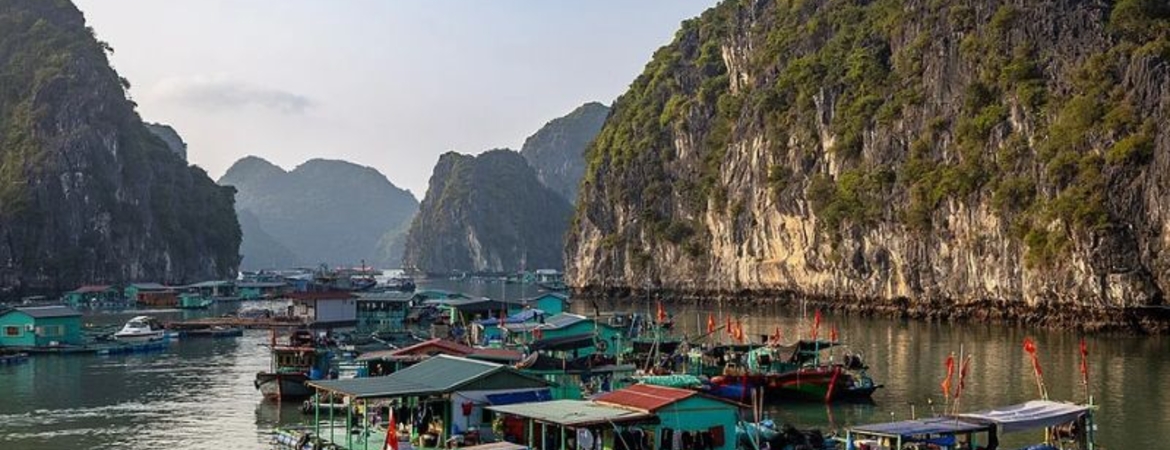
Discover the charm of Cai Beo Floating Village, a historic fishing community on Cat Ba Island where floating houses, fish farms, and local traditions have thrived for over 7,000 years. Travelers staying at Quiri Hotel Cat Ba can easily access the village and enjoy boat tours, kayaking, and authentic seafood experiences while immersing themselves in the unique rhythm of life on the water.
Where is Cai Beo and How to Get There?
The Cai Beo Floating Village (also known as the Cai Beo Fishing Village) holds a privileged location, making it incredibly accessible for travelers staying on Cat Ba Island.
Unlike many remote floating villages in Vietnam, Cai Beo is located immediately adjacent to the main hub of the island:
Proximity to Cat Ba Town: The village sits just off the coast, less than 2 kilometers (1.2 miles) southeast of the bustling center of Cat Ba Town.
The Gateway: The starting point for any visit is the Cai Beo Pier (Bến Cái Bèo), which is the main tourist and commercial port for accessing Lan Ha Bay. The village itself is clustered in the bay directly opposite this pier.
Traveling the short distance your accommodation in Cat Ba Town to the pier is simple, with multiple options available:
Method
|
Travel Time (Approx.)
|
Cost (Approx.)
|
Notes
|
Walking
|
15 - 20 minutes
|
Free
|
A pleasant stroll along the coastal road, ideal for views.
|
Motorbike Taxi
|
5 - 10 minutes
|
15,000 - 20,000 VND
|
Quick and cheap, readily available around town.
|
Electric Car / Taxi
|
5 minutes
|
50,000 - 70,000 VND
|
Best option if you are traveling with a group or have luggage.
|
Rented Motorbike
|
5 minutes
|
Varies (daily rental)
|
You can rent motorbike at Quiri Hotel Cat Ba
|
A 7,000-Year-Old History
What truly sets the Cai Beo Floating Village apart any other attraction in Vietnam is its astounding archaeological heritage. It is not just a settlement; it is a living document tracing the continuous maritime history of human life in the region for seven millennia.
The Paleolithic Anchors: Tracing Human History
The label Cai Beo Fishing Village doesn't capture the full picture - this site represents one of the oldest known permanent coastal settlements in Vietnam and Southeast Asia.
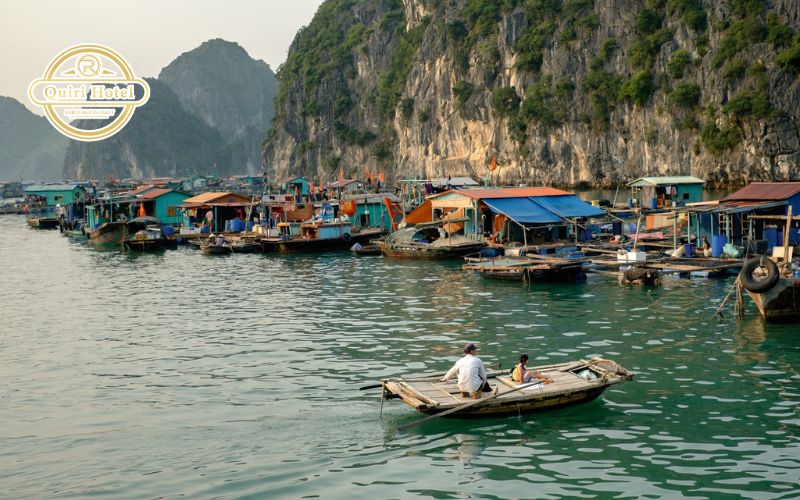
The Cai Beo Archaeological Site
Ancient Evidence: Archaeological digs have conclusively dated the earliest human activity at Cai Beo back approximately 7,000 years, placing it firmly in the Late Paleolithic (Old Stone Age) and Early Neolithic (New Stone Age) periods.
Artifacts of Adaptation: Excavations yielded thousands of artifacts, including stone tools, bone relics, and especially primitive pottery fragments decorated with rope or shell patterns. These findings reveal how ancient people adapted to the sea environment, developing skills for fishing, hunting, and early community living.
Cultural Significance: The culture identified here - known as the Cai Beo Culture - is considered a pivotal step, often seen as the foundation that later evolved the renowned Ha Long Culture. The sheltered, resource-rich nature of Lan Ha Bay made it the perfect harbor for the earliest communities to thrive.
A Continuous Maritime Legacy
Unlike transient camps, the evidence suggests continuous habitation. The ancient settlers chose this specific bay because of the natural protection offered by the surrounding limestone karsts, making it an ideal anchor point for life on the water and along the shore. Visiting today means walking on a site that has been home to people generation after generation for millennia.
A Living Museum: The Structure of the Floating Community
After thousands of years, the descendants of these ancient settlers maintain a way of life that harmonizes with the marine environment, effectively turning the bay a ''living museum.''
The Unique Architecture of the Water City
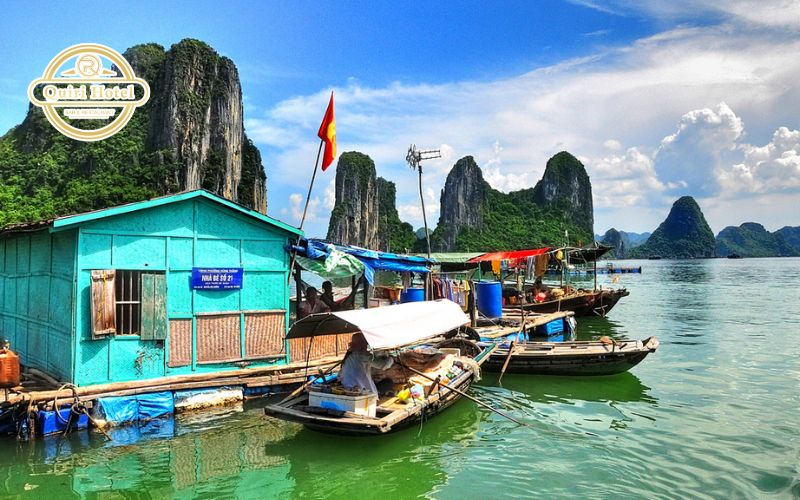
Floating Network: The modern Cai Beo Floating Village consists of hundreds of brightly colored floating houses, often lashed together by simple wooden walkways. This forms a complex, organic network of homes, communal areas, and commercial fish farms.
Integrated Aquaculture: The economic backbone of this Cat Ba Floating Village is aquaculture. Beneath the houses, residents cultivate specialized seafood, including grouper, sea bass, and lobsters, a practice that has evolved the earliest fishing methods employed by the region’s ancient residents.
Life on the Water: Every aspect of life, cooking and schooling to simple transportation - takes place on the water. Children paddle to ''neighbors'' in small coracles, creating a distinct rhythm of life unseen on the mainland.
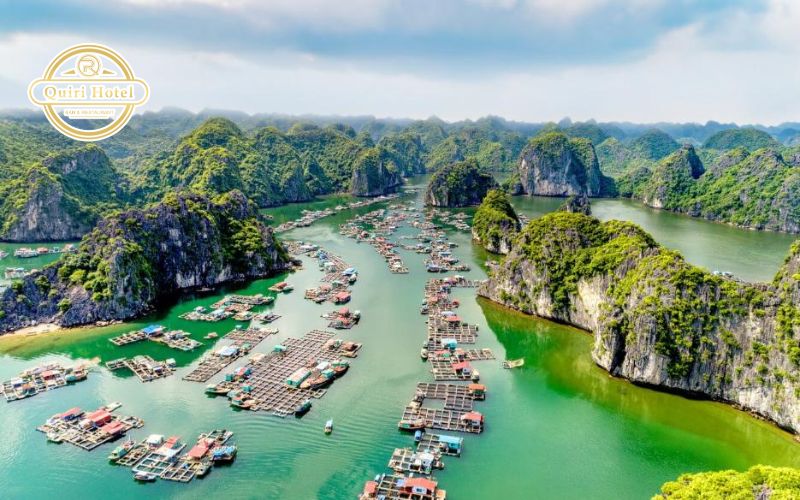
Resilience and Tradition in the Cai Beo Fishing Village
Despite the encroachment of modern tourism and technology, the residents of the ancient Cai Beo Fishing Village remain resilient:
Enduring Simplicity: Life remains centered around the daily tides and the cycles of fishing and farming. The commitment to the traditional maritime lifestyle is a powerful link to the past.
A Timeless Landscape: When you paddle through the maze of floating homes, you are tracing paths used by boats for thousands of years. The dramatic backdrop of the karst mountains remains unchanged, connecting the present-day community to its prehistoric roots.
To explore Cai Beo is to witness a human story that began in the Stone Age and continues today - a truly profound cultural experience.
What to Do in Cai Beo Floating Village
The experience of visiting Cai Beo Floating Village goes beyond just sightseeing; it’s an invitation to step a 7,000-year-old rhythm of life. Once you arrive at the pier, these are the essential activities you must undertake to fully absorb the spirit of this historic settlement.
Activity
|
What You’ll Do / See
|
Why It’s Cool / Tips
|
Boat or Sampan Tour
|
Glide through the floating houses, fish farms, observe daily life the water. Smaller boats offer more intimacy.
|
Best early morning or late afternoon light. Calm waters make this peaceful. Bring waterproof cover/phones/cameras.
|
Kayaking
|
Paddle in the narrow channels, between floating homes and fish cages, explore hidden corners.
|
A great way to get closer to things without disturbing them. Use guides if possible so you don’t get lost.
|
Visit Floating Fish Farms
|
See how locals raise fish like grouper, snapper, etc.; see feeding, harvesting; maybe try feeding fish or casting nets.
|
Respect their space, and follow guidance. Some farms allow close interaction.
|
Taste Fresh Seafood & Eat on the Water
|
Floating homes/restaurants serve freshly caught seafood:fish, squid, shrimp,etc often cooked the same day. Enjoy meals right on floating platforms.
|
Ask what’s fresh. Be ready for simple facilities. It’s more about authenticity than luxury.
|
Interact With Local Life
|
Visit floating houses, talk with fishermen/families, understand their rhythm (tides, fishing, aquaculture). Maybe join an activity like fishing.
|
Always ask permission before entering homes, taking close-up photos. Be respectful.
|
Photography / Scenic Relaxation
|
The surroundings are very beautiful: floating houses, reflective water, limestone karsts, changing light at dawn/dusk.
|
Sunrise or sunset are best. Bring good lenses if you have them; also a sun hat and sun protection.
|
Explore the Cai Beo Relic / Archaeological Sites
|
There is a relic site near Beo Wharf (~1.5 km town centre) with findings like stone tools, ceramics, bones etc.
|
Guides can help explain the significance. If you’re history or archaeology, this adds depth to the visit.
|
Combine With Lan Ha Bay Tour & Natural Surroundings
|
Many tours include Cai Beo as one stop among others: beaches, caves, kayaking in the bay, remote islands.
|
If you have time, staying overnight in a boat/cruise or combining with other villages maximises the experience.
|
A Day in the Life: Immersing in the Floating Rhythm
A day in Cai Beo Floating Village begins with a peaceful yet vibrant rhythm. The floating village emerges on calm waters with houses and fish cages gently drifting along. Every detail the splash of oars to the smoke rising small floating kitchens tells the story of the local fishermen. Joining a small boat ride lets you experience the slow but steady pace of life on the water where time seems to move with the waves rather than the clock.
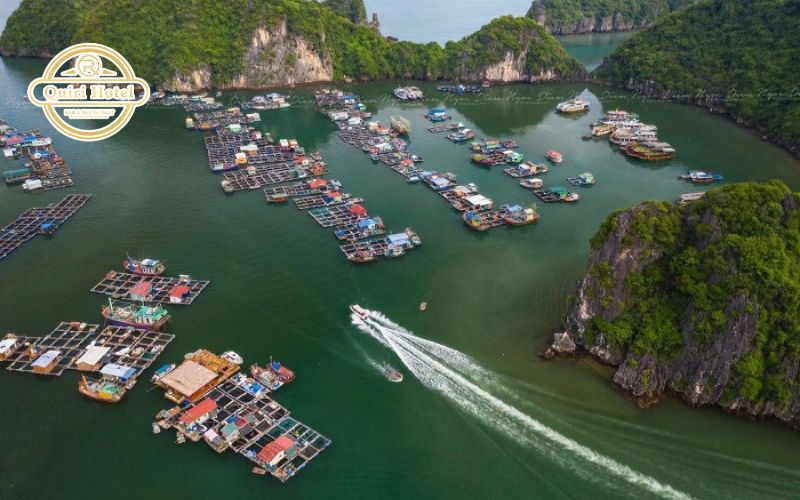
The Silent Morning: Sunrise and Seafood Stories
Sunrise at Cai Beo is magical. As the sun rises, the water glows with soft pink light and fishing boats begin to glide through the narrow channels. This is the perfect time to hear stories the locals about their daily life, how they raise fish and harvest seafood, and how generations have maintained their traditions. The scent of fresh seafood mingles with the gentle sounds of the water creating a serene yet lively morning.
The Harvest and the Feast
By midday, the floating village comes alive. Locals check the fish cages, harvest shrimp, fish, and squid, and prepare lunch right on the water. Visitors can join in feeding the fish or enjoy freshly grilled seafood served straight the catch. tender steamed squid to flavorful grilled fish, every meal is a taste of the sea and a glimpse the close community life where work and celebration happen together.
The Unspoiled Views of the Cat Ba Floating Village
In the afternoon, soft sunlight illuminates the floating village reflecting off the water like a living painting. Boats drift gently among the floating homes while the fish cages float silently nearby. This is the perfect time for kayaking, photography, or simply relaxing and soaking in the untouched beauty of Cat Ba. every angle Cai Beo reveals a timeless world where nature and human life exist in perfect harmony.
Practical Travel Guide and Essential Tips
Visiting Cai Beo Floating Village is easy and rewarding if you plan ahead. Here are the key tips and practical advice:
Best Time to Visit: October to April when the weather is dry, skies are clear, and the water is calm; early morning or late afternoon for the best light and peaceful atmosphere.
Getting There: Short boat rides Cat Ba Town take you directly to the floating homes and fish farms; private boats or guided tours provide a more intimate experience.
Respect Local Life: Always ask before stepping onto floating homes or taking photos; support local businesses by enjoying meals at floating restaurants or hiring local guides.
What to Bring: Sunscreen, hat, mosquito repellent, water, a waterproof bag for valuables, and comfortable shoes or sandals suitable for wet surfaces.
Tips for Enjoying Your Visit: Observe daily routines such as feeding fish, harvesting seafood, and cooking meals; bring a camera to capture reflections on the water and the unique floating scenery; go at the rhythm of the village to fully immerse yourself.
Exploring Cai Beo Floating Village offers an unforgettable journey Vietnam’s maritime history and vibrant floating community. Guests at Quiri Hotel Cat Ba can easily plan a visit, enjoy kayaking, savor fresh seafood, and fully immerse themselves in the timeless rhythm of life on the water.
Contact information:
Address: 135 Tung Dinh, Cat Ba island, Hai Phong City
Hotline: (+84)904060997
Email: quirihotelcatba@gmail.com
Book Tours: NOW


Have 0 comment, evaluate Discover Cai Beo Floating Village: Cat Ba's Ancient Secret
Xin chào quý khách. Quý khách hãy để lại bình luận, chúng tôi sẽ phản hồi sớm